
#DidYouKnow Zimbabwe’s National Language (Shona) Was Engineered, Not Inherited
- KingRu
- 9 Sep 2025
- 1 min read
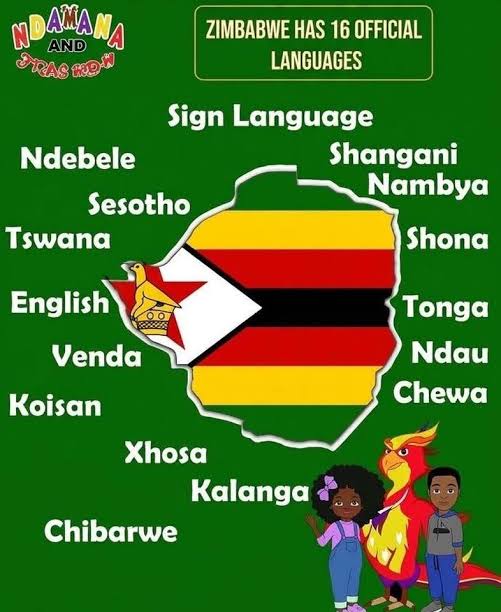
Shona, spoken by millions across Zimbabwe and Southern Africa, did not emerge as a unified language through natural evolution. Its written form was deliberately constructed in the 1950s to serve national cohesion. Before that, Shona existed as a network of dialects—Karanga, Zezuru, Korekore, Manyika, and Ndau—rich in oral tradition but fragmented in script. Missionary attempts to transcribe it were inconsistent, often privileging one dialect over others.
The push for standardization was led by South African linguist Clement Doke, working with Zimbabwean scholars. Their goal was to harmonize vocabulary and grammar across dialects, creating a single orthography suitable for education, media, and governance. This wasn’t just linguistic—it was strategic. A standardized Shona gave the language institutional legitimacy and positioned it as a tool for post-colonial nation-building.
Shona People of ZimbabweToday, Shona functions as both a living language and a cultural archive. Its proverbs encode ancestral wisdom. Its idioms reflect spiritual beliefs. In mbira music, Shona becomes a coded language of remembrance. In journalism and literature, it offers precision and poetic depth. Engineered for unity, it continues to evolve—rooted in tradition, yet speaking to the future.
Dandaro Online, Zimbabwe Latest Did You Know
How does this story make you feel?


Start the conversation